Welcome back to PerryPhernalia, where we explore the quirks of alcohol, liqueur, and cannabis culture across the U.S. Today’s spotlight is on control states — places like Pennsylvania where the government runs the liquor business. If you’ve ever wondered why your wine and spirits come from a state-run store, here’s the legacy behind the label.
🗺️ What Is a Control State?
In a control state, the government directly manages the sale or distribution of alcohol — usually spirits, and sometimes wine. This means the state either operates its own liquor stores or acts as the exclusive wholesaler to private retailers. Pennsylvania’s Fine Wine & Good Spirits stores are a prime example, run by the Pennsylvania Liquor Control Board (PLCB).
These systems date back to the end of Prohibition, when states wanted tighter control over alcohol sales. Today, they’re still in place across 17 states and one county:
- Alabama
- Idaho
- Iowa
- Maine
- Michigan
- Mississippi
- Montana
- New Hampshire
- North Carolina
- Ohio
- Oregon
- Pennsylvania
- Utah
- Vermont
- Virginia
- West Virginia
- Wyoming
Bonus: Montgomery County, Maryland runs its own control system too.
⚖️ Pros and Cons
| Pros | Cons |
|---|---|
| State profits fund public services | Limited product selection |
| Uniform pricing prevents gouging | Inconvenient store hours |
| Stronger oversight and age enforcement | Less innovation and retail competition |
🧠 PerryPhernalia Take
Control states are a legacy of caution — a holdover from Prohibition that still shapes how millions of Americans buy booze. While they offer stability and revenue, they also frustrate consumers who want more choice, better hours, and modern retail options. As cannabis legalization and online alcohol sales grow, pressure to reform these systems is mounting.
For now, if you’re in Pennsylvania, raise a glass to the state store — and maybe keep a flask handy just in case.
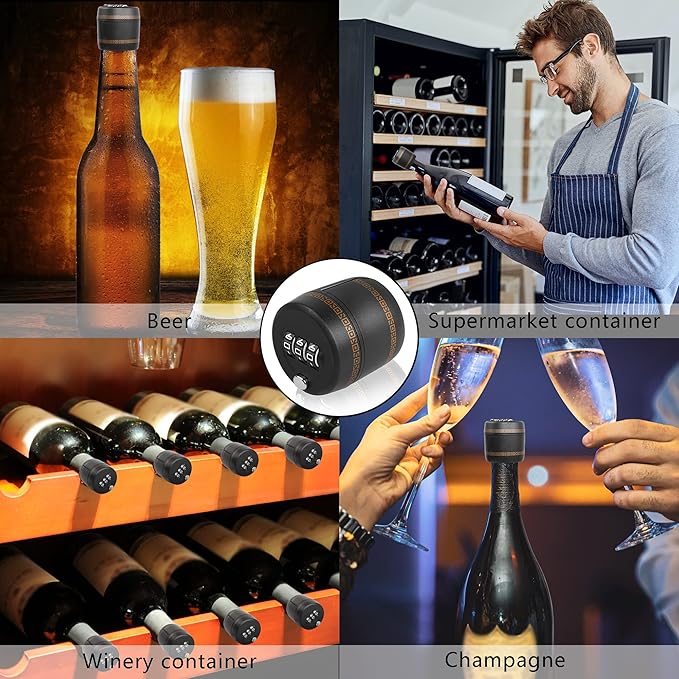
🛠️ Gear Picks


Discover more from PerryPhernalia
Subscribe to get the latest posts sent to your email.